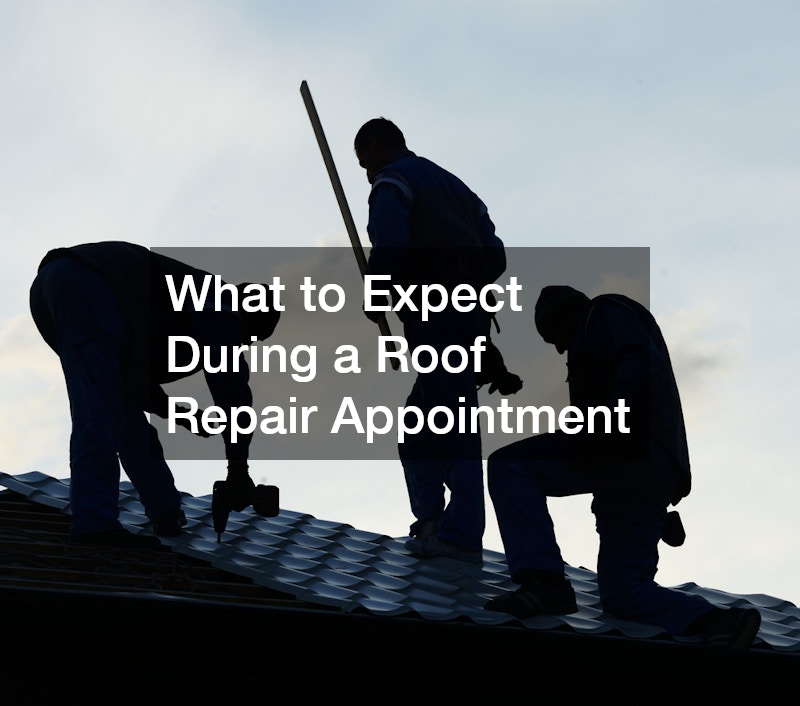
Roof repairs can be an overwhelming task for homeowners, but with a bit of preparation and understanding, the process can be tackled smoothly. The goal of this article is to guide you through what to expect during a roof repair appointment, from preparation to completion. By setting clear expectations, you can ensure a smooth and efficient repair process that safeguards your home and investment.
1. How to Prepare for Your Roof Repair Appointment?
1.1 Schedule a Convenient Time
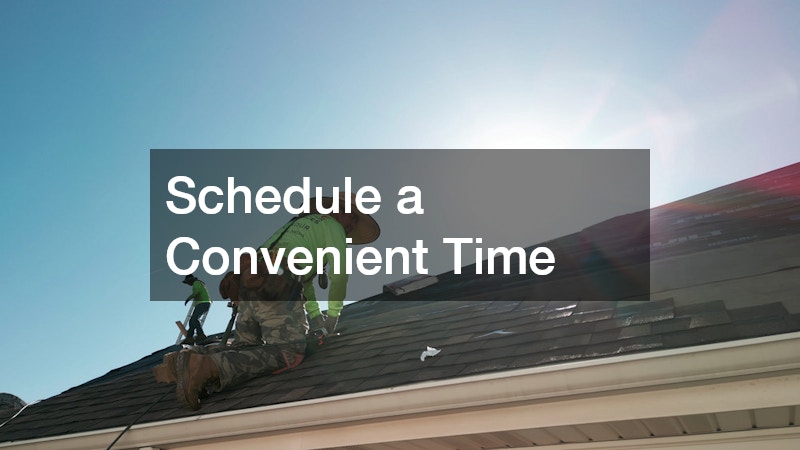
The first step in preparing for a roof repair is scheduling an appointment with roof repair services at a time that doesn’t disrupt your daily routine. It’s important to consider factors such as work schedules, weather conditions, and even the timing of sunrise and sunset if repairs are external and require daylight.
Collaborate with your contractor to choose a date that accommodates both parties, ensuring the availability of all necessary resources and materials. This proactive scheduling can prevent delays and maximize the efficiency of the repair process. Lastly, having a flexible schedule can help in easily adapting to possible rescheduling due to unforeseen circumstances like sudden weather changes.
1.2 Clear the Area Around Your Home
An integral part of pre-repair preparation is clearing the area around your home, ensuring no obstacles hinder the contractors’ access to the roof. This includes moving vehicles, outdoor furniture, and any loose items that can be blown away or damaged during the repair process. Contractors need sufficient space to set up ladders, scaffolding, and equipment, ensuring their safety and effectiveness. By preparing your property, you avoid potential damage to personal belongings and create a safer working environment. Additionally, informing your neighbors about scheduled repairs can also help them prepare for any temporary inconveniences.
1.3 Secure Pets and Valuables
During roof repairs, there can be a lot of noise and activity, which might distress pets and damage valuables inside and outside your home. Ensure that your pets are in a secure and quiet area away from the commotion to prevent anxiety or accidental harm. Loose items inside the attic or top floors should be moved to prevent them from falling or getting damaged. Valuables such as artwork, fragile items, and electronics should also be secured. Taking these precautionary steps helps avoid unnecessary stress and potential damage, leading to a more efficient repair process.
1.4 Discuss Scope of Work with Contractor
Communication with your contractor about the scope of work is crucial for a successful roof repair. Schedule a pre-visit consultation to clearly understand what the repair entails, including the specific tasks, materials needed, and expected outcomes. This discussion should cover any potential issues that may arise and the solutions the contractor plans to implement. It’s also an opportunity to address concerns or specific requests you might have. By being informed, you minimize surprises and ensure that the repair work aligns with your expectations, ultimately leading to a more satisfactory outcome.
1.5 Understand the Timeline
Understanding the timeline of a roof repair is critical to align expectations and make necessary arrangements. Most roof repairs are completed within a few days, but the exact duration depends on factors such as the extent of damage and the complexity of repairs required. Discuss with your contractor the estimated timeline, potential delays due to weather, and contingency plans if the project extends beyond the expected period. Being informed helps in planning household activities around the repair process and reduces the stress caused by uncertainty. It also facilitates better coordination with contractors, ensuring timely completion of the project.
2. What Will the Inspection Process Involve?
2.1 Initial Visual Assessment
The inspection process starts with an initial visual assessment conducted by the contractor to gauge the damage extent and prioritize repair needs. This step involves a detailed walkthrough around your home, assessing both the roof’s exterior and interior conditions. Contractors pay attention to visible damage signs such as missing shingles, leaks, or sagging areas. This preliminary evaluation helps in identifying urgent repair areas and planning necessary safety measures. It’s also an opportunity for homeowners to highlight specific concerns observed prior to the contractor’s visit.
2.2 Detailed Roof Examination
Following the initial assessment, a more detailed roof examination is performed to collect comprehensive data about the roof’s condition. Contractors utilize various tools and techniques, including drones or climbing equipment, to inspect hard-to-reach areas and gather accurate information. This examination helps in detecting underlying issues that are not visible from a ground-level inspection, such as water damage or structural weaknesses. Contractors document their findings and document the existing conditions to inform their repair strategy. This thorough examination provides a roadmap for efficient and effective repair work.
2.3 Identifying Problem Areas
During the inspection, contractors focus on pinpointing specific problem areas that need immediate attention. This includes locating weak shingles, cracks, leaks, and evaluating flashing conditions around chimneys and vents. Identifying these issues is crucial for designing a repair plan that addresses all vulnerability points and prevents further degradation of the roof structure. Contractors highlight these findings in an inspection report that visually summarizes the roof’s condition. By addressing all identified issues, homeowners can ensure longer-lasting roof integrity and maintain the value of their property.
2.4 Evaluation of Roof Structure
The structural evaluation of a roof is a significant component of the inspection, assessing the roof’s support system and overall stability. Contractors thoroughly check the trusses and decking for any signs of rotting, sagging, or other structural deficiencies. This evaluation is critical to ensure the roof’s long-term durability and safety before proceeding with any repairs. If structural issues are detected, the contractor will recommend the necessary reinforcements or replacements needed. Undertaking these assessments prevents the recurrence of past issues and guarantees a sound roof structure.
2.5 Creating an Inspection Report
After concluding the roof inspection, contractors create a comprehensive inspection report summarizing all their observations and findings. This report includes images, diagrams, and a detailed description of every identified issue, along with proposed solutions and repair recommendations. It’s essential for homeowners to review and understand this report, clarifying any doubts before consenting to the repair work. The inspection report serves as a crucial document for insurance claims, ensuring coverage for eligible damages. An accurate and thorough report lays the foundation for an effective repair process.
3. What Materials and Tools Will Be Used?
3.1 Roofing Materials
Roof repairs often require a variety of materials, which can include shingles, nails, flashing, and more, depending on the type of roof and extent of the repair. Contractors select materials that match the existing roof to ensure seamless integration and maintain aesthetic continuity. The choice of materials also impacts the roof’s resilience, energy efficiency, and overall longevity. It’s critical for homeowners to discuss the materials used, understanding their benefits and costs involved in the repair process. A well-informed decision on materials ensures quality repairs and offers a long-term solution to roofing issues.
3.2 Safety Equipment
Safety equipment is paramount during roof repairs to protect the contractors and ensure compliance with safety standards. Contractors utilize harnesses, hard hats, and specialized footwear to mitigate risks during the repair work. Scaffolds and ladders are strategically placed to provide safe access to roof areas, minimizing falls or accidents. Homeowners should ensure that their contractors adhere to all safety regulations to prevent liability issues. Employing comprehensive safety measures not only protects the workers but also streamlines the repair process by preventing delays from accidents.
3.3 Specialized Tools
Roof repair contractors employ specialized tools suited to tackle a range of roofing challenges efficiently. These tools include pneumatic nailers, roofing hammers, and professional-grade sealants designed for high-performance repairs. Drones and inspection cameras may also be used for detailed assessments of hard-to-reach areas. Proper use of these tools ensures precise repairs and long-lasting results. By choosing contractors equipped with the right tools, homeowners benefit from a smoother repair process that minimizes disruption and guarantees the quality of work performed.
3.4 Repair Techniques
Contractors employ various repair techniques tailored to specific roofing issues, focusing on both immediate repairs and preventative solutions. Techniques such as shingle replacement, re-flashing, and sealant application address visible damages, while more advanced methods tackle underlying structural issues. These techniques are chosen based on the roof type, material, and the extent of damage identified during the inspection. Understanding these techniques provides homeowners with insights into what to expect and offers peace of mind knowing all issues will be effectively addressed. Engaging in dialogue with contractors about repair methods ensures clarity and enhances overall satisfaction with the repair outcomes.
3.5 Ensuring Quality and Durability
Ensuring the quality and durability of roof repairs is vital to protect against future damage and incur additional costs. Contractors adhere to industry standards and best practices, employing high-quality materials and proven repair techniques. Homeowners should request warranties or guarantees provided by contractors, offering security about the long-term performance of the repairs undertaken. Regular maintenance and periodic inspections post-repair also contribute to extending the roof’s lifespan and ensuring it withstands varying weather conditions. By focusing on quality, homeowners not only enhance their home’s protection but also ensure peace of mind for years to come.
4. How Long Will the Repair Take?
4.1 Factors Influencing the Duration
The duration of roof repairs is influenced by multiple factors, including the extent of damage, roof type, and weather conditions. Simple repairs like replacing a few shingles are quicker than extensive structural renovations requiring weeks of work. Contractors also consider the available workforce, material availability, and the timing of other concurrent projects. Homeowners should engage in discussions with contractors to understand these influencing factors and set realistic expectations for the repair timeline. Awareness of such factors helps in planning and mitigating inconveniences, ensuring the repair process proceeds smoothly despite any challenges.
4.2 Average Repair Timeframe
Most roof repairs fall within an average timeframe that ranges from a few days for minor repairs to a couple of weeks for larger projects. Repairs that involve material replacement, structural reinforcement, and extensive labor are typically on the longer end of this spectrum. Contractors provide estimated timeframes during consultations, which can vary based on unforeseen circumstances or additional repair needs discovered mid-project. It’s beneficial to account for potential timeline extensions when planning schedules and commitments. By understanding average repair durations, homeowners can better manage expectations and minimize disruptions to their daily lives.
4.3 Weather and Its Impact
Weather conditions significantly impact the duration and scheduling of roof repairs, with rain, snow, and wind posing challenges to the repair process. Moisture and temperature fluctuations can affect materials’ application and adherence, necessitating delays until conditions stabilize. Contractors closely monitor weather forecasts to adjust the project timeline and ensure safety and quality. Homeowners should remain flexible and accommodate these changes, understanding that safety and long-term durability are prioritized. Proactive communication with contractors about weather impacts helps streamline scheduled repairs and adapts to potential adjustments effectively.
4.4 Emergency vs. Scheduled Repairs
Emergency roof repairs are unplanned and arise from sudden damages requiring immediate action to protect the home from further harm. These repairs often demand a quicker timeline, with contractors focusing on stop-gap measures to mitigate immediate risks. Scheduled repairs, by contrast, benefit from planned timelines, allowing for detailed inspections and comprehensive repair strategies. Emergency repairs may sometimes integrate with scheduled projects, optimizing resources and minimizing overall disruption. Understanding the differences between these repair types aids homeowners in better preparing for various scenarios and aligning expectations accordingly.
4.5 Tips for Minimizing Delays
Minimizing delays in roof repairs can be achieved through planning, effective communication, and contingency preparation. Collaborate closely with contractors in advance, discussing potential challenges and ensuring all necessary materials are sourced beforehand. Maintain clear communication channels to address any queries or changes swiftly, avoiding last-minute confusion. Consider alternative scheduling to accommodate unexpected events, ensuring flexibility for both homeowners and contractors. By adopting these strategies, the repair process is streamlined, resulting in timely completion and reduced stress. An organized and anticipative approach ensures a smooth and efficient roof repair experience.
5. How Much Will the Repair Cost?
5.1 Breakdown of Costs
The cost of roof repairs can vary widely based on the scope of work, materials chosen, and labor requirements. Contractors typically provide detailed estimates breaking down costs into material expenses, labor charges, and any additional fees for specialized equipment or permits. Homeowners are encouraged to request multiple quotes from different contractors to compare prices and evaluate service quality. Understanding the cost breakdown helps in planning the budget and identifying areas where expenses can be optimized. Comprehensive discussions with contractors ensure transparency and prevent hidden costs.
5.2 Insurance and Coverage Options
Insurance coverage plays a significant role in mitigating the financial burden of roof repairs, covering eligible damages based on policy terms. Homeowners should review their insurance policies to identify extent of coverage and initiate claims for any eligible damage repair. Providing contractors with this information allows them to prepare necessary documentation for claims. Understanding insurance dynamics assists homeowners in maximizing coverage benefits and minimizing out-of-pocket expenses. Collaboration between insurers and contractors streamlines the repair process while ensuring comprehensive coverage and financial protection.
5.3 Cost-Saving Tips
Cost-saving measures during roof repairs can significantly enhance affordability while maintaining quality standards. Engaging in preventive maintenance and routine roof checks can identify issues early, minimizing the extent and cost of repairs needed. Contractors may also offer package deals or discounts for bulk services, reducing overall costs. Homeowners can inquire about material alternatives that offer durability without premium pricing. Strategic financial planning and leveraging available promotional opportunities present pathways to cost-effective and value-focused roof repairs.
5.4 Understanding Estimates
Understanding repair estimates is crucial for making informed decisions and budgeting effectively. Estimates should outline labor charges, material costs, and anticipate any potential additional expenses. Cross-referencing estimates from multiple contractors aids in identifying discrepancies and validating fair pricing. Clarifying estimate terms, such as cost fluctuations due to materials or unexpected repair revelations, prevents misunderstandings later. By diligently analyzing estimates, homeowners empower themselves to make financially sound choices that align with repair necessities and budgetary constraints.
5.5 Payment Options and Plans
Financing roof repairs may involve multiple payment options, including cash payments, credit card transactions, or financing plans offered by contractors. Discuss available payment options upfront and prioritize those that align with your financial strategy. Some contractors may collaborate with financial institutions to offer extended payment plans, spreading repair costs over manageable installments. Understanding these options widens accessibility and eases immediate financial pressures. Careful selection of payment methods supports timely and stress-free completion of necessary roof repairs.
Managing expectations during a roof repair appointment entails understanding various aspects of the process, from preparation to completion. Homeowners who engage actively in scheduling, inspection, and repair discussions with contractors foster a collaborative and transparent repair environment. By leveraging information on timelines, costs, and materials, one can navigate the roof repair journey with confidence, ensuring a smooth, effective experience that enhances roof longevity and home value. Ultimately, informed planning and open communication set the stage for successful roofing solutions that withstand the test of time.