Renovations are usually driven by goals like improving comfort, updating aesthetics, or increasing property value. What many homeowners don’t realize is that renovations are also the single best opportunity to prevent future emergency repairs . When walls are open, systems are exposed, and professionals are already on-site, small preventive decisions can stop the kinds of failures that typically happen at the worst possible time.
Emergency repairs are rarely random. Burst pipes, roof leaks, flooded yards, cracked foundations, and electrical failures often stem from weaknesses that were already present—but hidden. Smart renovations address those risks proactively instead of covering them up. The result is not just a better-looking home, but one that’s more resilient, safer, and far less likely to generate panic phone calls or surprise bills.
This article walks through the most common sources of home emergencies and explains how thoughtful renovation planning can dramatically reduce the odds of dealing with them later.
Fixing Hidden Plumbing Risks Before Walls Close
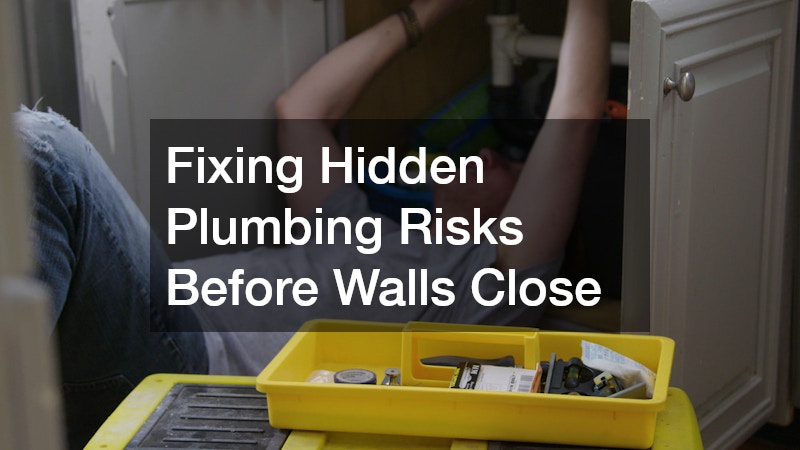
Plumbing problems are among the most disruptive emergencies a homeowner can face because water damage rarely stays contained. Once a pipe fails or a connection gives way, water can travel through walls, floors, and ceilings in minutes, damaging framing, insulation, electrical systems, and finished surfaces all at once. In many cases, the only immediate solution is shutting off water to the home, which brings daily routines to a halt and turns a repair into an urgent, stressful situation. Renovations create a rare moment when plumbing systems are fully visible—and ignoring that opportunity can be costly, especially when new finishes will soon make access difficult again.
Older homes in particular may have pipes that are nearing the end of their lifespan, even if they haven’t failed yet. Materials such as galvanized steel, aging copper, or early plastic piping can degrade slowly and unevenly. Corrosion may thin pipe walls, joints can loosen as homes settle, and outdated fittings may no longer handle modern water pressure or usage demands. Poorly placed shutoff valves are another common issue, forcing homeowners to shut off water to the entire house for even minor repairs. All of these risks can exist quietly behind walls until the day they don’t, at which point the damage is often extensive and immediate.
Working with licensed plumbers during a renovation allows homeowners to assess risk before new surfaces are installed. This proactive approach shifts plumbing work from emergency response to strategic planning. Instead of reacting to a burst pipe after cabinets, tile, and flooring are in place, systems can be evaluated holistically and upgraded where it makes the most sense. Plumbers can identify weak points, recommend modern materials, and ensure that layouts meet current standards for safety and efficiency.
Key preventive actions during renovations include:
- Replacing aging supply lines before cabinetry and drywall are installed, reducing the risk of future leaks behind finished surfaces
- Adding accessible shutoff valves for kitchens, bathrooms, and laundry areas, allowing quick response to issues without shutting down the entire home
- Correcting improper pipe slopes that cause pressure stress over time, which can lead to premature joint failure
- Relocating vulnerable pipes away from exterior walls in cold climates to reduce the risk of freezing and bursting
Another powerful preventive tool is water leak leak detection. Modern detection methods can identify slow, hidden leaks that don’t show obvious signs yet, such as moisture buildup behind walls or beneath flooring. These slow leaks are especially dangerous because they often go unnoticed for months or even years, gradually weakening materials and creating ideal conditions for mold growth. Over time, this hidden damage can lead to sudden pipe failures, structural decay, and costly remediation work.
By confirming that plumbing is sound before walls are closed, homeowners eliminate one of the most common causes of emergency calls and insurance claims. Taking advantage of renovation access to inspect, upgrade, and protect plumbing systems provides long-term peace of mind and helps ensure that newly renovated spaces remain intact, functional, and damage-free for years to come.
Preventing Mineral Buildup That Destroys Renovated Systems
Many emergency plumbing failures don’t happen because of pressure—they happen because of buildup. Hard water minerals accumulate slowly inside pipes, valves, and appliances, narrowing flow paths and stressing components until something gives way.
Renovations that add new bathrooms, kitchens, or laundry rooms increase water usage and place even more demand on already stressed systems. Without addressing water quality, brand-new fixtures can begin degrading almost immediately.
Scheduling water softener service as part of a renovation plan helps protect both old and new plumbing infrastructure. Softened water reduces mineral deposits, extends the life of appliances, and lowers the likelihood of sudden clogs or valve failures.
During renovations, homeowners should consider:
- Testing water hardness before installing new fixtures or appliances
- Evaluating whether existing softening systems are properly sized
- Servicing or replacing older systems that can’t handle increased demand
- Protecting tankless water heaters, which are especially sensitive to buildup
By improving water quality at the same time systems are upgraded, homeowners reduce long-term maintenance costs and avoid emergency repairs that stem from internal damage rather than visible wear.
Strengthening the Building Envelope to Stop Weather Emergencies
Many emergency repairs are caused by weather exploiting weak points in a home’s exterior. Wind-driven rain, temperature swings, and storms all find the same vulnerabilities: roofs, windows, and structural openings.
Renovations that alter layouts, add square footage, or upgrade interiors can unintentionally shift loads or expose exterior weaknesses. That’s why exterior systems should be evaluated before cosmetic upgrades are finalized.
Consulting a roofing contractor during renovation planning helps identify issues like:
- Aging shingles that won’t withstand new airflow patterns
- Inadequate flashing around new additions or skylights
- Drainage changes that increase water pooling on roof surfaces
Windows and doors are equally critical. Working with a glass company ensures that replacements or upgrades are properly sealed, impact-rated when necessary, and compatible with the home’s structure.
Preventive steps that reduce emergency risks include:
- Replacing worn roofing materials before interior work begins
- Upgrading windows that show signs of seal failure or water intrusion
- Reinforcing areas where additions meet the original structure
- Ensuring proper drainage away from walls and foundations
By strengthening the building envelope during renovations, homeowners dramatically lower the risk of leaks, drafts, and storm-related emergencies.
Redesigning Outdoor Water Flow to Avoid Flooding and Breakage
Outdoor renovations often focus on appearance, but water management should be just as important. Improper water flow around a home is a leading cause of foundation damage, basement flooding, and underground pipe failures.
Renovation projects that include landscaping changes, new lawns, or garden redesigns should reassess irrigation layouts. Poorly placed lines or outdated systems can direct water toward the home instead of away from it.
Planning sprinkler system installation with drainage in mind helps control moisture levels and prevents saturation near foundations. Modern systems can be zoned more precisely and adjusted to avoid overspray near structures.
Vegetation also plays a major role. Overgrown roots and branches can interfere with underground lines, roofs, and siding. Strategic tree trimming during renovations reduces the risk of:
- Roots cracking pipes or hardscapes
- Branches damaging roofing or windows during storms
- Excess moisture buildup from dense canopy coverage
Homeowners should map both visible and hidden water-related risks before outdoor work begins. Fixing these issues later often requires tearing up finished landscaping, making prevention far more cost-effective.
Preventing Drainage Failures Around Driveways and Walkways
Driveways, walkways, and patios may look solid, but poor drainage beneath them can lead to sudden and expensive failures. Water trapped under hard surfaces expands, shifts soil, and creates pressure that cracks concrete or causes sections to sink.
Renovations that include exterior upgrades are an ideal time to address grading and drainage. Involving paving contractors early ensures that surfaces are designed to move water safely away from the home.
Key drainage considerations include:
- Proper slope away from foundations
- Permeable materials where appropriate
- Sub-base preparation that resists erosion
- Integration with existing drainage systems
Ignoring these factors often leads to emergency repairs after heavy rains, when water has nowhere to go and structural damage becomes unavoidable.
Simple post-installation checks, such as observing water flow during storms, can confirm that new surfaces are performing as intended and not creating hidden risks.
Avoiding Pool-Related Emergencies During Backyard Renovations
Backyard renovations often center around entertainment and relaxation, but pools introduce complex systems that can fail under renovation stress. Debris, altered drainage, and neglected maintenance all increase the risk of sudden breakdowns.
During active construction, pools are especially vulnerable. Dust and debris can clog filters, damage pumps, and disrupt water chemistry. Structural work nearby can also affect underground plumbing connected to the pool.
Engaging a pool cleaner during renovation phases helps keep systems functioning and identifies issues early. Regular monitoring prevents small problems from escalating into emergencies that require draining or shutting down the pool entirely.
Preventive actions include:
- Protecting pool equipment from construction debris
- Monitoring water levels and pressure during nearby work
- Inspecting plumbing connections after landscaping changes
- Maintaining chemical balance to prevent corrosion
Addressing pool systems proactively ensures that renovations enhance outdoor spaces without creating new maintenance headaches or emergency repair scenarios.
Securing Property Lines to Prevent Safety and Liability Issues

Boundaries are often overlooked during renovations, yet unstable or outdated fencing can create safety hazards and liability concerns. Construction activity places stress on existing fences, and grading changes can undermine posts or footings.
Planning fence installation alongside other exterior upgrades allows homeowners to reinforce boundaries properly and avoid future failures. This is especially important when heavy equipment is used or when property lines shift slightly due to landscaping changes.
Preventive fencing considerations include:
- Ensuring posts are set below frost lines
- Coordinating fence placement with drainage plans
- Reinforcing gates that will see increased use
- Removing old fencing before it becomes a hazard
Addressing fencing during renovations helps prevent emergencies such as collapses, injuries, or disputes that arise from damaged or unstable boundaries.
Renovating With Prevention in Mind Pays Off
Smart renovations do more than update a home’s appearance—they strengthen the systems that keep it functioning safely and reliably. While visual improvements often take center stage, the most valuable upgrades are frequently the ones homeowners never see. These behind-the-scenes improvements focus on durability, efficiency, and long-term stability rather than surface-level appeal. When renovation work is approached with this mindset, each decision supports the home’s ability to withstand daily use, environmental stress, and natural aging.
By addressing vulnerabilities while access is easy and professionals are already involved, homeowners can prevent many of the emergencies that cause stress, damage, and financial strain later. Renovation projects remove the barriers that typically make preventive work difficult or expensive. With open walls, exposed framing, and visible infrastructure, it becomes far simpler to identify weaknesses, reinforce critical areas, and replace components that are nearing failure. Tackling these issues early eliminates the need for reactive repairs that often involve tearing into finished spaces.
The most effective renovation plans look beyond immediate goals and consider how systems interact over time. A home functions as an interconnected network, not as a series of isolated parts. Changes made in one area often affect others, sometimes in unexpected ways. Thoughtful planning accounts for these relationships instead of treating upgrades as standalone projects.
Key system interactions that benefit from a preventive approach include:
- Plumbing layouts influencing moisture levels in walls and floors
- Water flow patterns affecting foundations, basements, and crawl spaces
- Structural elements responding to changes in load or material weight
- Outdoor features altering drainage, soil stability, and exposure to weather
Plumbing, water flow, structural elements, and outdoor features all influence one another. Ignoring these connections can introduce new problems even as a home is being improved. For example, upgrading finishes without addressing moisture pathways can trap water where it causes the most damage. Likewise, altering landscaping without considering drainage can increase pressure on foundations and buried systems. Preventive renovation planning avoids these pitfalls by evaluating how upgrades will perform together over time.
When those connections are accounted for, the result is a home that not only looks better but performs better under real-world conditions. Systems work as intended, maintenance needs are reduced, and the home responds more predictably to seasonal changes, heavy use, and extreme weather. This performance-focused approach increases confidence in the home’s reliability and reduces the likelihood of unexpected failures.
Preventive renovation choices may not always be visible once the work is complete, but their impact is felt every time a storm passes without incident, a pipe holds steady, or a system runs smoothly year after year. These quiet successes are the true measure of a well-planned renovation. Over time, they translate into fewer disruptions, lower repair costs, and a home that supports daily life without demanding constant attention or emergency intervention.