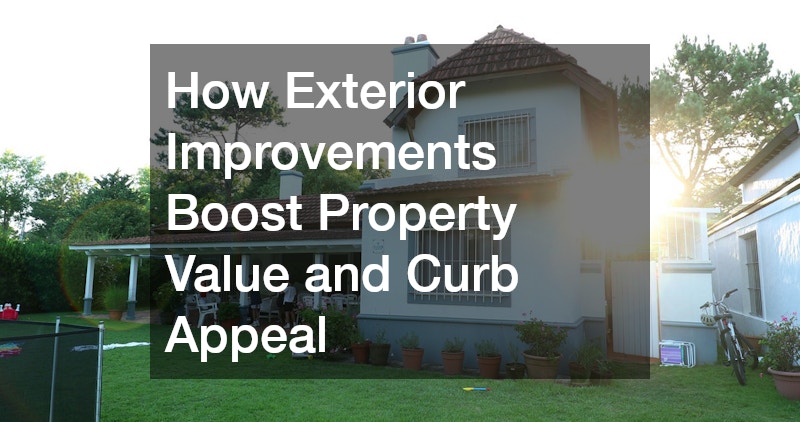
When someone approaches a home for the first time, the exterior sets expectations long before the front door opens. Peeling paint, worn surfaces, or neglected landscaping can quietly lower perceived value, even if the interior is well maintained. On the other hand, a clean, cohesive exterior suggests responsible ownership, structural integrity, and long-term care.
Exterior improvements influence more than just aesthetics. They affect buyer confidence, appraisals, inspection outcomes, and even neighborhood perception. Strategic updates can significantly increase resale value while also improving comfort, efficiency, and protection for current homeowners.
Rather than treating exterior upgrades as isolated projects, homeowners benefit most by understanding how each element works together to create a strong first impression and lasting value.
In competitive real estate markets, buyers often make subconscious judgments within seconds. An exterior that looks orderly, modern, and well cared for creates a sense of trust before a single conversation takes place. Even for homeowners not planning to sell immediately, these upgrades enhance daily satisfaction and reduce long-term maintenance costs. Investing in exterior improvements is rarely wasted, as it improves livability now and strengthens financial returns later.
Exterior conditions also influence how professionals evaluate a home. Appraisers, inspectors, and lenders often form early opinions based on visible maintenance and material condition. Signs of neglect on the outside can raise concerns about hidden issues, while a well-maintained exterior signals consistent care throughout the property. This perception can affect inspection findings, negotiation leverage, and even financing outcomes. By taking a proactive approach to exterior improvements, homeowners gain greater control over how their property is viewed, valued, and trusted, both now and in the future.
Evaluating Your Home’s Exterior Before Making Improvements
Before investing in upgrades, it’s essential to understand what your home actually needs. Many homeowners overspend on cosmetic changes while overlooking visible wear or structural red flags that buyers and inspectors quickly notice.
Start with a complete exterior walkthrough:
- View the home from the street and sidewalk
- Walk the perimeter slowly, noting inconsistencies
- Look at the property from multiple angles and distances
Pay attention to:
- Uneven or faded surfaces
- Cracks, warping, or moisture stains
- Areas where materials don’t align visually
Next, consider prioritization. Some improvements have a higher return because they protect the structure or address visible deterioration. Others enhance visual appeal but won’t compensate for neglected essentials.
Helpful evaluation tips include:
- Address safety and weather protection first
- Focus on highly visible areas near entry points
- Compare your home’s condition with similar nearby properties
- Identify issues that could escalate if delayed
This stage is also a good time to document findings with photos and notes. Clear documentation helps guide decisions, track progress, and avoid unnecessary work. By understanding what truly needs attention, homeowners can create a targeted improvement plan rather than reacting to surface-level issues.
Additionally, consider how climate, sun exposure, and drainage affect your home’s exterior over time. Areas that receive heavy moisture, intense sunlight, or strong winds often deteriorate faster and should be evaluated more closely. It can also be helpful to revisit the exterior after seasonal changes, as certain issues become more visible under different conditions. Taking this broader perspective ensures your evaluation is accurate, thorough, and aligned with long-term performance rather than short-term appearance alone.
Strengthening Roof Appearance to Increase Buyer Confidence
The roof plays a major role in how buyers perceive a home’s condition. Even without climbing a ladder, people instinctively judge roof quality from the ground. Stains, sagging lines, or mismatched materials can signal neglect.
Working with a local roofing company can help homeowners understand whether appearance issues stem from age, material fatigue, or environmental exposure. In many cases, visual improvements don’t require full replacement, but they do require informed decisions.
One increasingly popular option is metal roofing, which offers a clean, modern look and strong durability. Beyond longevity, it delivers visual consistency that often appeals to buyers looking for low-maintenance homes.
Ways roof appearance influences value include:
- Creating clean, straight rooflines
- Matching color and material with siding and trim
- Eliminating discoloration and surface damage
- Reinforcing the perception of structural integrity
A visually sound roof reassures buyers that larger hidden problems are unlikely. Even subtle improvements, such as correcting uneven edges or cleaning visible debris, can significantly elevate first impressions. When the roof looks solid and intentional, the entire home feels more secure and thoughtfully maintained.
Maintaining Roof Integrity to Protect Long-Term Value
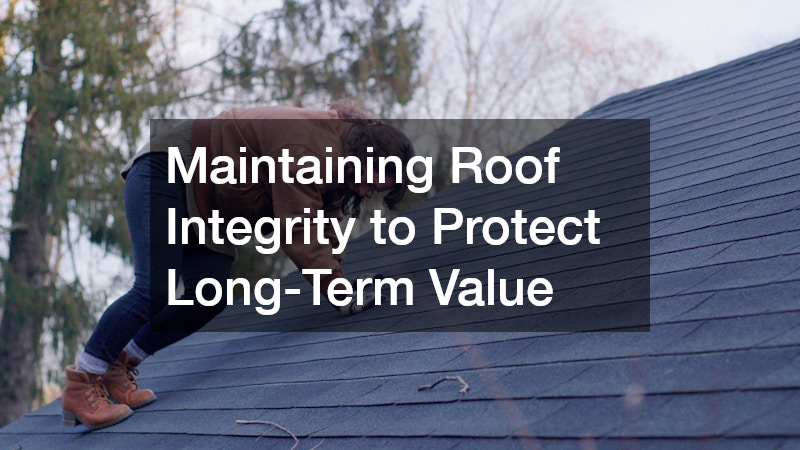
While appearance matters, the underlying condition matters more. Small roofing issues can quietly reduce property value by allowing moisture infiltration, insulation damage, and hidden structural problems.
Regular maintenance through a professional roofing service helps identify vulnerabilities early. Minor flashing failures or lifted shingles may not be obvious, but inspectors are trained to spot them.
Prompt roof repair prevents:
- Water intrusion into attic spaces
- Mold development and insulation degradation
- Ceiling stains that alarm potential buyers
- Escalating damage that leads to higher costs
Preventive maintenance strategies include:
- Annual visual inspections
- Clearing debris that traps moisture
- Addressing small leaks immediately
- Ensuring proper ventilation
Buyers often ask about roof age and condition early in the decision process. Demonstrating consistent upkeep reduces uncertainty and increases confidence. Homes with documented maintenance histories tend to face fewer price negotiations and inspection-related delays, preserving both value and peace of mind.
In addition to protecting resale value, proactive roof care supports overall home performance. Proper ventilation and moisture control help regulate indoor temperatures and prevent long-term material breakdown. Addressing issues early also reduces the likelihood of emergency repairs, which are often more expensive and disruptive. A well-maintained roof signals diligence and foresight, reinforcing the impression that the home has been responsibly cared for at every level.
Upgrading Siding for Visual Consistency and Energy Efficiency
Siding occupies a large portion of your home’s visible exterior, making it one of the most impactful elements for curb appeal. Cracked panels, fading, or mismatched sections can make an otherwise solid home appear dated.
Consulting with local siding contractors allows homeowners to explore materials that balance durability, insulation, and style. Modern siding options improve moisture resistance while delivering clean lines and color consistency.
Benefits of siding upgrades include:
- Improved insulation and energy efficiency
- Better resistance to wind and moisture
- A refreshed, cohesive exterior appearance
- Reduced maintenance requirements
When selecting materials and colors, homeowners should:
- Consider neighborhood standards
- Avoid overly trendy finishes that may age poorly
- Ensure compatibility with roofing and trim
- Prioritize uniformity across elevations
Beyond appearance, upgraded siding helps regulate interior temperatures and reduce long-term repair risks. A consistent exterior surface sends a strong message of care and investment, making the home feel updated without appearing overdone.
Improving Windows for Clean Lines and Natural Light
Windows influence both curb appeal and interior comfort. From the outside, damaged frames or foggy glass disrupt visual symmetry. From the inside, poor windows affect lighting, efficiency, and temperature control.
Targeted window glass replacement improves appearance without requiring full window system overhauls. It’s especially valuable when frames are still structurally sound, but glass clarity or seals have failed.
Exterior benefits include:
- Restored uniform reflections
- Elimination of visible cracks or clouding
- Improved alignment across the façade
Interior advantages also matter to buyers:
- Increased natural light
- Reduced drafts and noise
- Enhanced thermal performance
Clear, well-maintained windows help homes feel brighter and more inviting. Natural light is a major selling point, and windows that perform well reinforce the impression of thoughtful maintenance throughout the property.
In addition, updated window glass can contribute to better energy efficiency, helping to stabilize indoor temperatures throughout the year. This can reduce strain on heating and cooling systems, lowering utility costs over time. From a buyer’s perspective, efficient windows suggest lower ongoing expenses and increased comfort, both of which strengthen overall property appeal.
Refreshing Driveways and Walkways to Enhance Entry Appeal
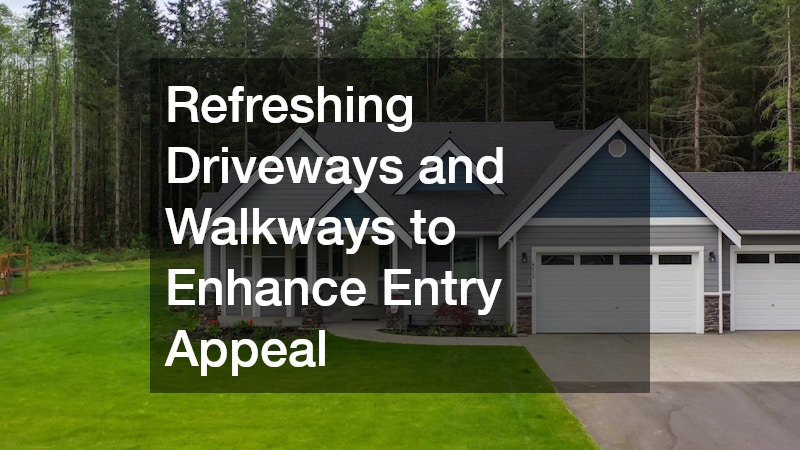
The driveway often forms the first physical interaction visitors have with a property. Cracks, stains, or uneven surfaces can undermine otherwise attractive exterior upgrades.
Driveway sealing is a cost-effective way to restore surface appearance while extending lifespan. It enhances color consistency and protects against moisture infiltration and surface breakdown.
Key benefits include:
- Improved visual uniformity
- Reduced cracking and surface erosion
- Enhanced curb appeal near entry points
When planning driveway improvements:
- Coordinate timing with landscaping or fencing projects
- Address drainage issues that contribute to wear
- Consider walkway connections and borders
A smooth, clean entry path subtly communicates quality and care. Even small surface improvements can dramatically affect how welcoming a property feels, especially when paired with other exterior upgrades.
Beyond appearance, maintaining the driveway helps prevent minor surface issues from turning into costly structural repairs. Sealed surfaces resist freeze-thaw damage, oil stains, and weather-related wear, preserving function as well as form. For homeowners considering resale, a well-maintained driveway reduces objections during showings and inspections, reinforcing the impression of consistent upkeep throughout the entire property.
Defining Property Boundaries to Improve Structure and Security
Fencing plays both a functional and a visual role. It defines property boundaries, enhances privacy, and adds structure to landscaping and yard design.
Homeowners often explore options through fence companies that offer a range of materials and styles suited to different property types. Working with a local fence contractor ensures designs align with zoning rules and neighborhood expectations.
Value-boosting fencing strategies include:
- Choosing styles that complement the home’s architecture
- Maintaining consistent height and alignment
- Repairing leaning or damaged sections promptly
Well-maintained fencing provides a sense of order and security. It frames outdoor spaces, supports landscaping, and helps the property feel complete rather than unfinished.
Enhancing Landscape Design for a Polished, Finished Look
Landscaping ties all exterior elements together. Without it, even high-quality materials can feel incomplete or stark.
Professional planning through local landscaping companies helps homeowners create balanced designs that frame the home rather than overwhelm it. Strategic planting emphasizes architectural features and guides the eye naturally toward entry points.
Effective landscaping improvements include:
- Defined borders and walkways
- Layered plant heights for depth
- Low-maintenance greenery for long-term appeal
Seasonal planning ensures year-round attractiveness, which is especially important for listings during off-peak months. Thoughtful landscaping softens hard surfaces and provides visual rhythm that enhances overall curb appeal.
Coordinating Exterior Projects for Maximum Value Impact
One of the most common mistakes homeowners make is addressing exterior projects independently without considering how they interact visually and structurally.
Coordinated planning allows for:
- Consistent color palettes and materials
- Efficient scheduling and labor use
- Reduced disruption and overlapping work
Smart coordination tips:
- Group related upgrades together
- Address structural needs before cosmetic ones
- Plan projects around resale timelines
Homes that feel cohesive, not piecemeal, tend to command higher prices and sell faster. Strategic planning ensures that each improvement supports the next, creating a unified and polished exterior.
Exterior improvements do more than enhance appearance; they protect your investment, improve efficiency, and shape how others perceive your home. From top-level structures to ground-level details, each component contributes to a unified first impression.
By evaluating needs carefully, prioritizing high-impact upgrades, and coordinating projects strategically, homeowners can significantly increase curb appeal and property value. Thoughtful exterior improvements not only attract buyers but also create a home that looks well cared for and built to last.
When exterior updates are planned with intention, they become one of the most reliable ways to strengthen both pride of ownership and long-term financial return.
Beyond resale considerations, exterior improvements also enhance daily living. A well-maintained exterior reduces ongoing maintenance demands, minimizes the risk of unexpected repairs, and improves overall comfort. Energy-efficient upgrades help stabilize indoor temperatures, while durable materials provide better protection against weather and environmental wear. Over time, these benefits add up to lower operating costs and fewer disruptions, making the home easier and more enjoyable to own.
Consistent exterior upkeep also reflects responsible ownership, which can positively influence neighbors and strengthen community standards. Homes that appear well-maintained tend to contribute to neighborhood stability and long-term value, benefiting not only individual homeowners but surrounding properties as well. This ripple effect reinforces the importance of thoughtful planning and quality execution.
Ultimately, exterior improvements should be viewed as long-term investments rather than short-term cosmetic fixes. When approached strategically, they offer lasting rewards—combining visual appeal, functional performance, and financial return. A cohesive exterior tells a story of care, quality, and foresight, ensuring your home remains attractive, resilient, and valuable for years to come.