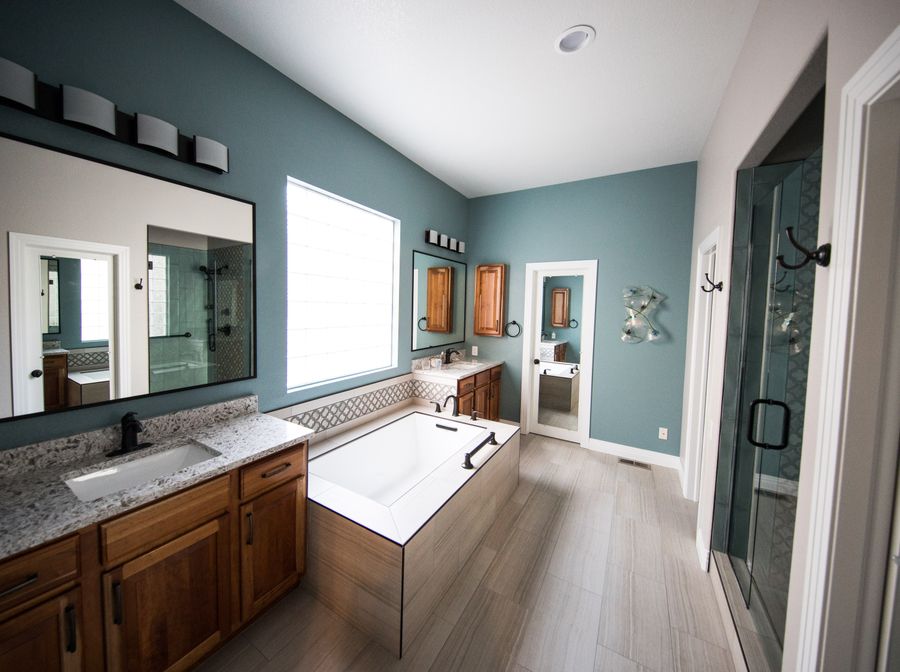
Few home projects deliver the kind of satisfaction a refreshed bathroom does. You walk in every morning, and suddenly the space feels bigger, brighter, and worth the money you poured into it. But get the budget wrong, and that same project can turn into a financial headache that haunts you long after the last tile is grouted.
The trick isn’t spending more. It’s spending smart. Homeowners who plan carefully tend to recoup a surprisingly large chunk of their investment at resale, while those who splurge on trendy finishes often watch their returns shrink. Whether you’re planning to sell in two years or stay for twenty, every dollar you allocate should pull its weight.
This walkthrough breaks down how to set a realistic budget, where to splurge, where to save, and how to time your decisions so the finished bathroom actually pays you back. Grab a notepad and let’s map it out step by step.
Start With a Realistic Number

Before you look at a single tile sample, pin down what you can actually afford. A budget based on guesswork falls apart the moment the plumber opens the wall. Pull your savings statement, check your home equity line, and figure out a hard ceiling you won’t cross no matter what sparkly thing you spot at the showroom.
Industry pricing gives you a useful starting range. According to This Old House, cosmetic refreshes tend to land between $3,000 and $8,000, while full gut jobs climb from $8,000 to $18,000 or higher, depending on the materials you pick and whether you move the plumbing. That spread is wide on purpose. Where you fall depends entirely on the scope you commit to.
Once you have a ceiling, carve it into three buckets: materials, labor, and a contingency fund. A good rule is roughly 40 percent for materials, 40 percent for labor, and 20 percent held back for surprises. Rotted subfloors and corroded shutoff valves are famously good at showing up on day two.
How Do You Know Which Upgrades Actually Pay Back?
Not every improvement returns the same value. Buyers consistently respond to clean, functional, mid-range finishes far more than they respond to luxury flourishes. A heated towel rack is lovely, but it won’t move the needle on your appraisal the way a new vanity or updated lighting will.
The data backs this up. Per Fixr, a midrange bathroom remodel now recoups about 80 percent of its cost at resale, the strongest showing since 2007. That figure drops noticeably once you cross into upscale territory, where custom cabinetry and designer tile start eating into your margins.
Focus your money on the upgrades that signal “well-maintained home” to a buyer walking through for the first time:
- A clean, modern vanity with solid-surface countertops
- Updated lighting with both ambient and task fixtures
- A new toilet in a water-efficient model
- Fresh grout, caulk, and any repaired drywall
- A quality exhaust fan to prevent moisture damage
- Neutral paint in a mildew-resistant finish
Mapping Out High-Impact High-ROI Renos
This is where strategy beats enthusiasm. You want to identify the three or four changes that will transform the space without blowing past your cap. Walk into your bathroom and squint. What screams “dated” the loudest? That’s where your first dollars go.
Tackling High-ROI Renos means prioritizing the visible, the functional, and the universally appealing over the personal and trendy. A matte black faucet might feel on-brand right now, but a classic brushed nickel will still look current in ten years. The same logic applies to tile patterns, cabinet colors, and hardware.
Prioritize fixtures over finishes
Fixtures, meaning the faucet, showerhead, toilet, and vanity, carry more weight than most homeowners realize. They’re touched every day, so buyers notice quality immediately. Spend a bit more on fixtures with reputable brands and solid warranties. You can save on the surrounding finishes without anyone noticing the difference.
Where Should You Save and Where Should You Splurge?
Every dollar has a job. Knowing which ones deserve first-class treatment and which can fly coach separates a profitable remodel from an expensive one. The goal is to look expensive, not be expensive.
Splurge on the elements you touch, see, and use constantly. Save on the elements that are easily swapped later or that nobody really looks at. For instance, a premium shower valve is worth every penny because replacing it later means tearing open a wall. A decorative mirror, on the other hand, can be upgraded anytime.
Here’s a practical split that tends to work:
- Splurge: shower valve, vanity countertop, toilet, main light fixture
- Save: mirror, towel bars, drawer pulls, accent decor
- Splurge: waterproofing membrane behind tile
- Save: floor tile pattern (simple classics outperform trendy)
- Splurge: a skilled tile installer
- Save: paint, which you can do yourself
If you’re working with a tight footprint, there’s enormous value in researching clever small bathroom renovation ideas before you commit to a layout. A smart configuration in a compact space often outperforms an expensive layout in a bigger one, because every square foot is doing visible work.
Timing, Contractors, and Avoiding the Budget Killers
Scheduling matters more than most people realize. Contractors often offer better rates in late winter and early spring, before the summer rush. Material prices also fluctuate seasonally, so shopping tile and vanities during end-of-year clearance can shave hundreds off your bill.
Get at least three detailed bids. Not ballpark numbers scribbled on a business card, but itemized quotes that break out demolition, rough plumbing, tile work, fixtures, and finish carpentry. Comparing apples to apples is the only way to catch hidden markups or missing line items.
Watch for the classic budget killers that quietly inflate projects:
- Moving plumbing lines (adds thousands fast)
- Custom-sized tubs or shower pans
- Changing the location of the exhaust vent
- Choosing imported tile with long lead times
- Last-minute design changes mid-project
Protect yourself with a written scope
Before anyone swings a hammer, get everything in writing. The scope of work should specify every material by brand and model number, every demolition task, and every finish detail. Verbal agreements get expensive when memories diverge in week three. A clear scope also gives you leverage if a contractor tries to upcharge for something already covered.
Thinking Long-Term About Resale Value
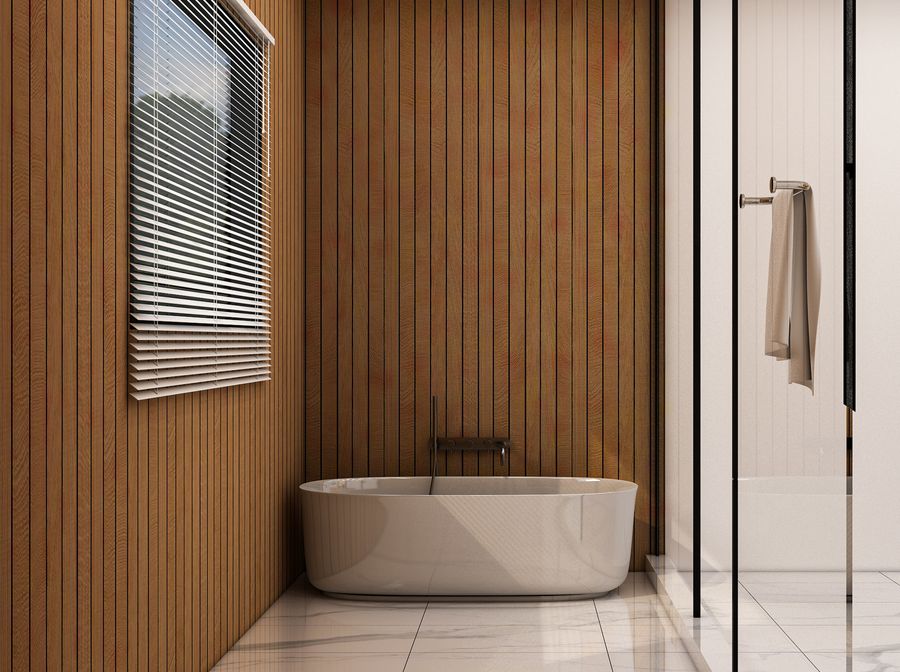
Even if you’re not selling tomorrow, every remodel decision quietly affects your future sale price. The buyers who show up in five or seven years will scrutinize your bathroom with fresh eyes. What looks bold today can look dated fast, while neutral and well-built choices age gracefully.
According to Do It Or Hire, mid-range bathroom projects are returning 80 percent of their cost at resale in 2026, based on data from 119 U.S. markets. That’s a strong signal that restrained, quality-focused renovations continue to outperform flashier alternatives across varied housing markets.
Think about the features that will still read as “updated” in a decade. Quartz counters, simple white subway or large-format porcelain tile, chrome or brushed nickel fixtures, and clean-lined vanities all have remarkable staying power. Compare that to colored toilets, ornate mosaic borders, or vessel sinks, which can date a space the moment a trend cycle shifts.
Build in universal design features
Aging-in-place elements used to feel clinical, but today’s versions blend seamlessly with everyday aesthetics. A curbless shower, a comfort-height toilet, and reinforced blocking behind the walls for future grab bars all broaden your buyer pool later. These additions cost very little during a remodel but become prohibitively expensive to retrofit afterward. A wider doorway and lever-style handles also quietly signal thoughtfulness to anyone touring the home.
Stretching Your Budget Without Cutting Corners
Smart sourcing is where disciplined homeowners pull ahead. The same vanity can carry wildly different price tags depending on where you buy it, and showrooms rarely advertise their discount floor models. Ask. Negotiate. Walk away once and see what happens to the price.
Online marketplaces, builder-supply outlets, and contractor accounts often offer the same fixtures for 20 to 40 percent less than retail. If your contractor has a trade account, ask them to pass along the discount in exchange for your flexibility on scheduling. Many will agree, especially if you’re paying promptly and keeping decisions firm.
A few tactics that consistently stretch dollars:
- Buy floor models or last-season stock from local showrooms
- Reuse the existing footprint so plumbing stays put
- Refinish a cast-iron tub instead of replacing it
- Paint existing cabinetry in good shape rather than ripping it out
- Order materials in one consolidated shipment to cut delivery fees
- Keep demolition simple and avoid disturbing load-bearing walls
The homeowners who get the most mileage from a modest budget tend to be the ones who commit early and resist changes. Every mid-project pivot costs money, usually more than the original decision would have. Lock your selections, then stop shopping.
Common Budgeting Mistakes That Erode Returns
Even well-planned projects can bleed value through a handful of avoidable missteps. The most common one is over-personalizing the space. A bathroom tailored exactly to your tastes can feel like a win on day one and a liability the moment you list the home. Keep your signature touches limited to the elements that are easy to swap, like artwork, textiles, and accessories.
Another frequent pitfall is under-investing in waterproofing and ventilation. These are the invisible systems that protect every finished surface around them. Skimping here leads to mold, warped baseboards, and crumbling grout within a few years, which drags down resale appraisals far more than any upgrade can offer.
Watch out for these recurring mistakes too:
- Starting demo before all materials arrive on site
- Paying more than 30 percent upfront to a contractor
- Skipping permits to save time (buyers and inspectors notice)
- Mixing too many finishes or metals in one small room
- Ignoring storage, which buyers judge harshly
- Forgetting to budget for cleanup, disposal, and dust containment
Permits deserve a special mention. Unpermitted work can derail a future sale or force you to redo finished elements for inspection. The permit fee is almost always smaller than the cost of untangling the paperwork later.
Conclusion
A profitable bathroom remodel isn’t about choosing the most expensive finishes or chasing the latest trend. It’s about building a budget that reflects your home’s value, your neighborhood’s expectations, and the buyers who will eventually walk through the door. When you align spending with resale logic, the bathroom you enjoy daily also becomes an asset that quietly grows your equity.
The homeowners who come out ahead are the ones who plan before they purchase, write everything down, and resist the temptation to redecorate mid-project. They treat the contingency fund as sacred, pay attention to what’s behind the walls as much as what’s in front of them, and make choices today that still read as fresh a decade from now.
Take the time to set your number, split your buckets, and prioritize the upgrades that actually move the needle. Done well, a bathroom remodel is one of the few home projects that pays you back twice, once in daily comfort and again when it’s time to hand over the keys.