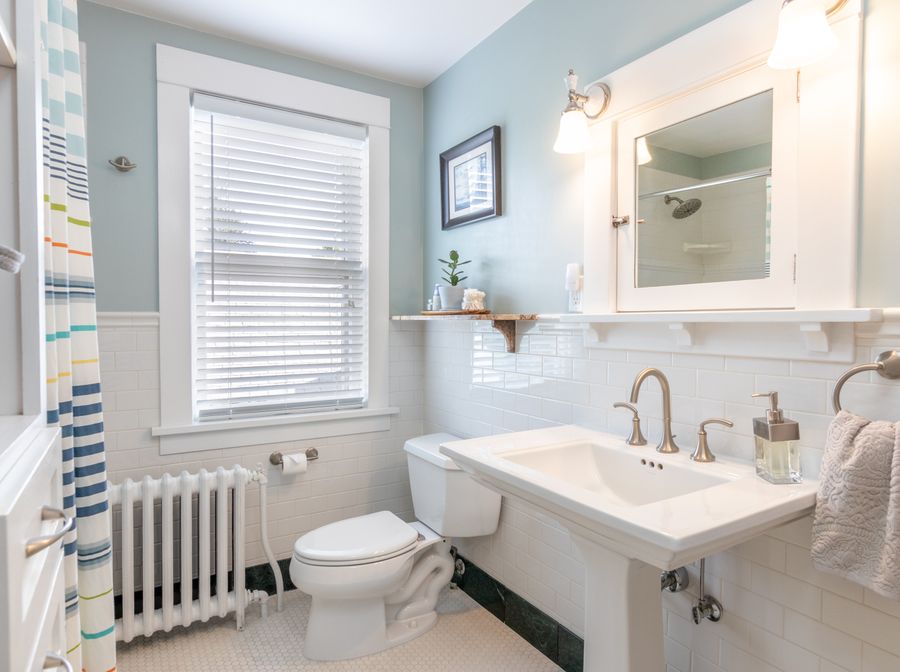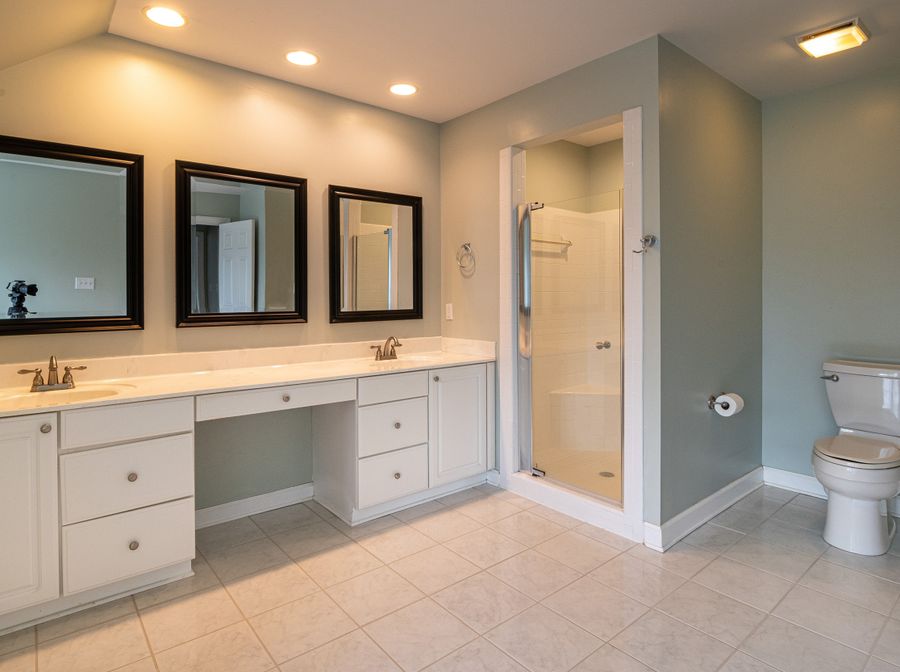
Bathroom remodels used to be all about shiny tile and fast fixes. These days, homeowners are asking harder questions before they tear anything out. Where did this material come from? How long will it last? And what happens to it when I eventually rip it out again?
Flooring sits right at the center of those questions. It takes the most abuse in the room, it covers the biggest surface after the walls, and it tends to dictate the mood of the whole space. Picking a greener option isn’t just a feel-good choice either. The right surface can shrug off moisture for decades, cut down on indoor air pollutants, and keep a chunk of petroleum-based waste out of landfills.
The tricky part is that “eco-friendly” gets slapped on a lot of products that don’t really earn it. So let’s put the main contenders side by side, weigh the trade-offs honestly, and figure out which materials actually hold up in a wet, humid, high-traffic room.
Why Flooring Choices Matter More Than You Think
A bathroom floor has to survive standing water, dropped bottles, bare feet, and temperature swings every single day. That’s a tall order for any material, and it’s why so many older floors were made from vinyl loaded with PVC and plasticizers. Those floors worked, but they off-gassed for years and almost never got recycled.
Interest in better options is growing fast. According to Market Intelo, eco-conscious bathroom products are expanding at a 7.1% annual rate through 2034, moving faster than the conventional side of the category. That shift is pulling flooring manufacturers along with it, which means more verified sustainable choices than there were even five years ago.
The flip side is that greener doesn’t automatically mean cheaper or easier to install. Some options need specific subfloor prep. Others cost more upfront but save money over a 20-year horizon. Knowing the trade-offs before you shop keeps you from getting oversold at the showroom.
Comparing the Top Sustainable Flooring Materials
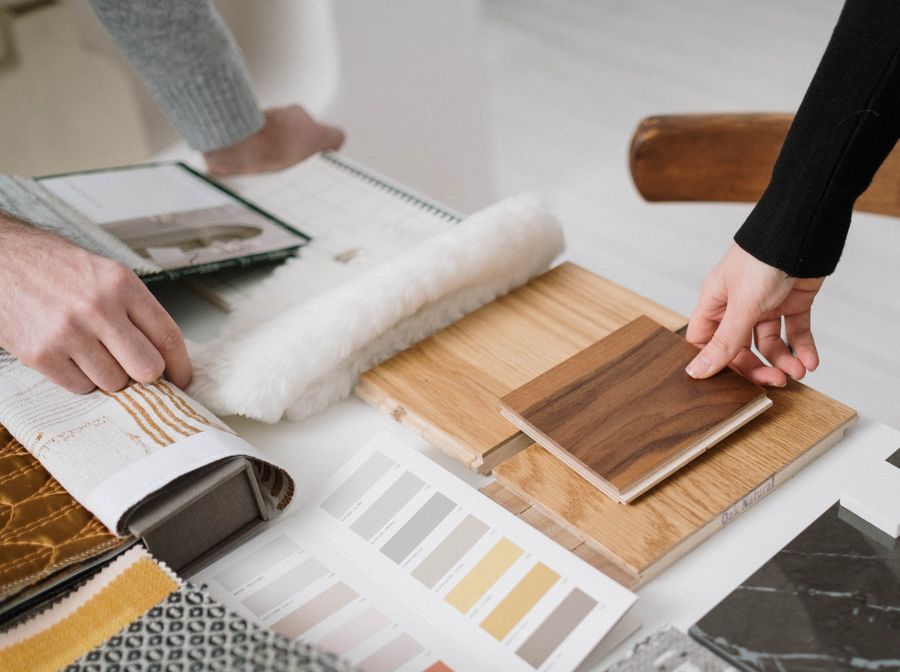
Not every “green” floor is built the same. Some rely on rapidly renewable plants, others on recycled content, and a few on long-lasting natural stone that outlives the house itself. Here’s how the main contenders stack up when you line them up head to head.
- Bamboo: fast-growing, harder than many hardwoods, but sensitive to standing water unless sealed carefully
- Cork: naturally antimicrobial, warm underfoot, harvested without killing the tree, but needs resealing every few years
- Reclaimed wood: gorgeous character, zero new trees felled, though not every species handles humidity
- Recycled-content porcelain tile: extremely durable, waterproof, often made with 40% or more post-industrial material
- Natural linoleum (real linoleum, not vinyl): made from linseed oil, jute, and wood flour, fully biodegradable
- Natural stone like slate or travertine: long lifespan, locally quarried options cut shipping impact
Each of these has a different sweet spot. Cork and bamboo feel better underfoot for a kids’ bathroom. Porcelain and slate win on longevity in a primary bath. Reclaimed wood tends to shine in powder rooms where splashes are rare.
The Durability Question
Durability is where sustainability either proves itself or falls apart. A “green” floor that warps after four years and ends up in a dumpster isn’t actually green. Porcelain tile and natural stone can easily last 50 years with basic care, which spreads their environmental cost across generations rather than decades.
Softer materials like cork and bamboo need more honest expectations. Properly sealed, they’ll serve you well for 20 to 25 years. Skimp on the sealant schedule, though, and you’ll be replacing them much sooner. Factor that maintenance commitment into your decision before you fall in love with a sample.
How Does Each Option Affect Indoor Air Quality?
Air quality often gets overlooked in flooring conversations, but bathrooms are small, warm, and humid, which is exactly the environment that pulls chemicals out of materials and into the air you breathe. Standard vinyl and some engineered wood products release volatile organic compounds for months or even years after installation.
Natural linoleum, solid cork, and unglazed porcelain tile are among the lowest-emitting options you can buy. Look for FloorScore or Greenguard Gold certification on the label. Those third-party seals mean the product has actually been tested, not just marketed as clean.
If you’re sensitive to chemicals or renovating for someone with asthma, the installation adhesives matter as much as the flooring itself. Ask your installer to use low-VOC mortar or water-based adhesives. It’s a small line item that makes a real difference in the finished room.
Budget, Lifecycle, and the Real Cost of a Greener Floor
Price tags lie a little when it comes to sustainable materials. The sticker you see at the store doesn’t include replacement cycles, water damage repairs, or the hidden cost of ripping up a floor that failed early. Looking at lifecycle cost paints a very different picture.
Take porcelain tile versus luxury vinyl plank. The tile costs more upfront, maybe double in some cases. But vinyl typically needs replacing every 10 to 15 years in a wet room, while the tile easily doubles or triples that span. Spread across 30 years, the “expensive” option often wins on both dollars and landfill waste.
Research backs up how much weight people are putting on this now. According to Houzz, roughly 84% of homeowners prioritize sustainable features during primary bath renovations, which has pushed manufacturers to offer more transparent sourcing data. That transparency makes it easier to compare apples to apples instead of guessing.
- Bamboo: $5 to $9 per square foot installed, 20 to 25-year lifespan
- Cork: $6 to $12 per square foot installed, 20 to 30 years with resealing
- Recycled porcelain tile: $10 to $20 per square foot installed, 50+ year lifespan
- Natural linoleum: $5 to $8 per square foot installed, 25 to 40 years
- Reclaimed wood: $8 to $16 per square foot installed, varies by species and sealing
Planning a Green Remodel Around Your Floor Choice
Flooring doesn’t exist in isolation. The floor you pick affects the vanity height, the shower threshold, the door swing, and even which fixtures make sense to pair with it. Thinking about these connections early saves money and headaches later.
Water-saving fixtures are a natural partner to sustainable flooring, since both cut your home’s long-term environmental footprint. According to the EPA, upgrading to WaterSense-labeled faucets and aerators can save a typical household 700 gallons annually, which pairs nicely with a floor that won’t need replacing for 30 years. The combined impact across decades is substantial.
If you’re working with limited square footage, pulling together eco-friendly small bathroom renovation ideas helps you see how layout, lighting, and flooring feed into each other. Small bathroom renovation ideas often get dismissed as limiting, but tight footprints actually make premium sustainable materials more affordable because you need less of them. A 40-square-foot powder room floored in reclaimed slate costs a fraction of what the same material would run in a primary bath.
Matching Materials to How You Actually Live
A household with three kids, two dogs, and constant foot traffic needs a different floor than a quiet couple’s guest bath. Be honest about usage before you commit. Cork is heavenly underfoot but scuffs quickly in a mudroom-adjacent bath where sandy shoes come through daily. Porcelain shrugs that off without complaint but feels cold on winter mornings unless you pair it with radiant heat.
Think about cleaning habits too. Textured stone hides dirt but traps it in the grout lines, which means scrubbing with a brush instead of a quick mop. Smooth sealed cork wipes clean in seconds but shows every hair and water spot. Neither is wrong, but one will drive you crazy depending on your tolerance for upkeep.
Climate plays a role that most showrooms gloss over. Humid coastal homes punish bamboo and reclaimed wood far more than dry inland climates do. If your bathroom already fogs up the mirror for an hour after every shower, lean toward tile, stone, or linoleum and skip the plant-based planks entirely.
Installation Choices That Make or Break Sustainability
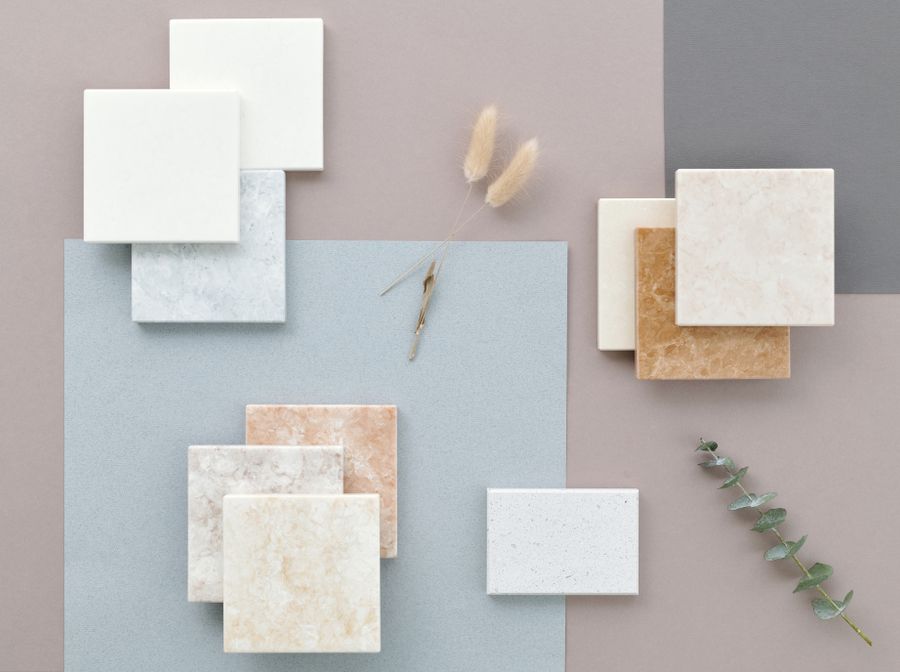
The greenest floor in the world loses its edge if it’s installed over a subfloor that traps moisture or glued down with solvent-heavy adhesives. Prep work decides whether your investment lasts five years or fifty, and it’s the part most homeowners never see.
Start with the subfloor. A proper moisture barrier under tile or stone prevents the slow seepage that rots joists from below. For cork and bamboo, an acclimation period of at least 72 hours in the room lets the planks adjust to humidity before they’re locked in place. Rushing this step is the single biggest reason floating floors cup and buckle later.
- Ask for low-VOC or water-based adhesives rather than solvent-based mastics
- Request recycled-content underlayment made from cork, rubber, or felt
- Confirm grout and sealers carry a FloorScore or similar certification
- Save offcuts for future repairs instead of sending them to the dump
- Check whether the installer participates in any manufacturer takeback program for scrap
Installers who specialize in sustainable work usually welcome these questions. If yours bristles or brushes them off, that’s a signal to keep interviewing. The labor side of a Green Remodel matters just as much as the materials you carried through the door.
DIY Versus Professional Help
Some of these floors reward a careful DIYer. Click-together cork and floating linoleum planks are forgiving enough for a confident weekend project, and skipping the labor cost offsets a chunk of the premium you paid for better materials. Watch a few manufacturer tutorials, rent a decent cutter, and give yourself twice the time you think you’ll need.
Tile, stone, and glued-down installations are a different story. Uneven thinset, misaligned pieces, or a bad waterproofing layer will cost far more to fix than you saved by doing it yourself. Hire out anything involving mortar or a wet saw unless you’ve done it before.
Questions to Ask Before You Buy
Showrooms are designed to sell you the sample that looks prettiest under the lights. Walking in with a short list of specific questions shifts the conversation from aesthetics to substance, and it quickly reveals which salespeople actually know their products.
- Where was this material sourced, and how far did it travel to get here?
- What certifications does it carry, and can I see the documentation?
- What’s the warranty against moisture damage in a bathroom specifically?
- What adhesives, sealers, and underlayments do you recommend with it?
- How is the material disposed of or recycled at end of life?
The answers tell you whether you’re buying a genuinely sustainable product or a conventional one in greener packaging. Vague responses, especially around sourcing and end-of-life, are usually a sign to look elsewhere. Reputable brands publish this information openly because they know buyers increasingly check.
Also ask about samples you can take home. Seeing a chip of tile or a plank of bamboo under your own bathroom lighting, next to your vanity finish and wall color, prevents a lot of expensive regret. Most suppliers will let you borrow larger samples for a small deposit.
Conclusion
Picking a sustainable bathroom floor isn’t about finding one magic material that beats all the others. It’s about matching the right surface to your climate, your household, your budget, and the lifespan you realistically expect from the room. A thoughtfully chosen cork floor in a dry guest bath can be every bit as green as recycled porcelain in a busy family bathroom. The wrong choice in either direction wastes money and material.
The good news is that the market has caught up with the demand. Five years ago, finding verified low-VOC adhesives or recycled-content tile meant hunting through specialty suppliers. Today, most mainstream retailers carry at least a few credible options, and the certifications that back them up are easier than ever to verify. That shift puts real power in the hands of homeowners who are willing to ask a few extra questions before they sign the contract.
Take your time with the decision, insist on documentation, and think in decades rather than seasons. A bathroom floor you install thoughtfully now is one you won’t be ripping out and replacing in ten years, and that durability is ultimately what makes any remodel truly sustainable.