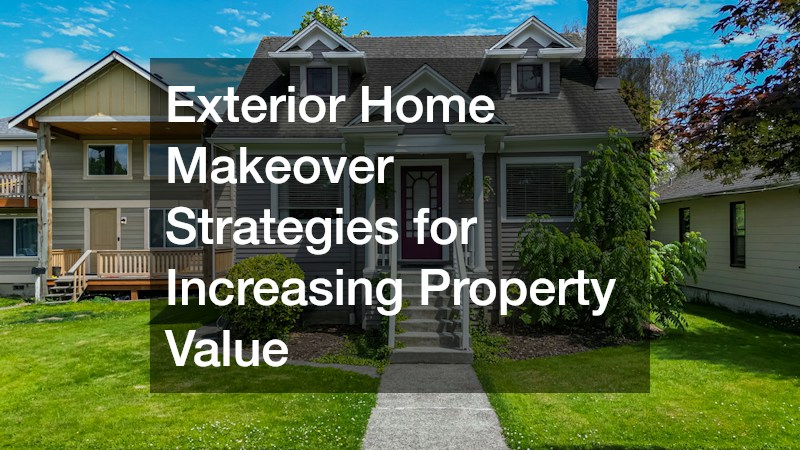
When prospective buyers or licensed appraisers arrive at your address, they form a decisive impression within seconds of stepping out of their vehicles. This immediate reaction happens long before anyone crosses the front threshold, inspects kitchen countertops, or evaluates the bedroom layout. Your home’s exterior tells a clear story about how conscientiously the property has been maintained over the years. Peeling trim, stained siding, cracked walkways, and overgrown shrubs quietly signal deferred maintenance, prompting cautious buyers to suspect hidden structural problems behind the walls and lower their offers accordingly. Conversely, a crisp, weather-tight, and thoughtfully designed exterior projects turnkey reliability, fueling stronger buyer enthusiasm, faster offers, and higher comparable valuations. Remodeling studies consistently confirm that exterior upgrades rank among the highest-returning improvements available. Unlike costly interior remodels tied to personal taste, exterior enhancements deliver broad buyer appeal while strengthening durability and expanding usable outdoor space. Approaching your makeover systematically—addressing surface cleanliness, entry approaches, outdoor structures, drainage-smart hardscapes, and layered plantings—ensures every dollar invested enhances both everyday enjoyment and resale equity.
Strip Away Grime and Mildew to Restore Instant Curb Appeal
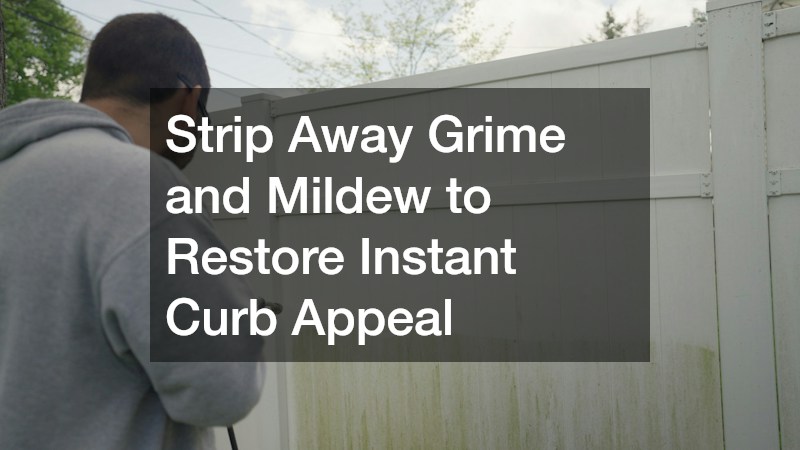
Before funding structural additions or new plantings, examine your home’s outer envelope from across the street. Over successive seasons, pollen, soot, algae, mold, and oxidation accumulate across siding, masonry, trim, and rooflines. Even when underlying materials remain sound, heavy organic staining makes a residence look neglected. Appraisers and inspectors routinely view stained exteriors as early indicators of moisture retention and poor upkeep. Restoring the original brightness and clean color contrast of your facade is one of the highest-leverage improvements available, provided each surface is treated properly.
- Match water pressure to material durability: High-pressure washing works reliably on dense, unpainted masonry such as brick retaining walls, natural stone steps, and soiled sidewalks, lifting embedded grime and rust marks without harming the substrate. Applying that same intense force to residential cladding, however, can gouge wood grain, crack vinyl panels, and drive water behind moisture barriers.
- Use low-pressure soft washing on delicate exteriors: Vinyl siding, painted clapboard, fiber cement, stucco, and asphalt roofing shingles respond best to low-pressure soft washing. This method pairs biodegradable surfactants and targeted mildewcides with a gentle rinse, neutralizing algae and fungal growth at the root rather than merely blasting away the surface layer.
- Protect your building envelope with trained specialists: Because improper nozzle selection or excessive pressure can strip protective shingle granules and saturate wall sheathing, hiring a reputable pressure washing company is a smart safeguard. Experienced technicians calibrate flow rates, shield nearby plantings, and remove stubborn north-facing mildew safely.
- Establish a clean baseline before repainting or sealing: Thorough exterior washing is also an essential preparatory step before repainting trim, restaining fences, or applying penetrating masonry sealers. Coatings bond reliably to contaminant-free surfaces, preventing premature peeling and extending finish life.
Once grime and streaks disappear, shutters, trim, and entry moldings regain crisp visual definition, elevating curb appeal without structural changes.
Eliminate Cracks and Trip Hazards Along Your Property’s Main Approach
Your vehicle approach and front walkway act as the visual runway to your front door. When buyers or appraisers pull up, uneven pavement, crumbling edges, and weed-filled fissures immediately undermine arrival. Beyond hurting visual presentation, deteriorated pavement creates tripping hazards and signals looming capital expenses that buyers deduct from their offers. Addressing surface wear before moisture compromises the underlying aggregate base protects your investment and improves front-yard polish.
- Seal minor fissures before freeze-thaw cycles widen the damage: Narrow surface cracks may appear cosmetic at first, yet they act as open funnels for rainwater and melting snow. Once moisture penetrates the compacted gravel sub-base and freezes, expansion heaves surrounding pavement upward, converting simple hairline splits into interconnected alligator cracking and potholes.
- Prioritize targeted surface restoration over premature replacement: When the underlying foundation remains stable, timely asphalt repairs can restore structural integrity and uniform color at a fraction of full repaving costs. Hot-pour rubberized crack filling, infrared thermal patching for localized depressions, and commercial-grade emulsion sealcoating lock out moisture, resist UV oxidation, and restore a uniform charcoal finish.
- Upgrade width, edge support, and visual framing: Narrow, aging driveways built decades ago often struggle to accommodate modern family vehicles, leading to rutted lawn edges and broken pavement corners. Widening tight single-lane approaches by two to three feet improves daily convenience, while installing Belgian block, cobblestone, or brick borders reinforces edges and adds architectural contrast.
- Regrade sunken sections to eliminate standing water: Natural soil settlement frequently creates low spots near garage aprons and walkway transitions where water pools after rain. Leveling and regrading these depressions prevents winter ice sheets and directs runoff safely away from the foundation.
A smooth approach with crisp edges frames the front yard cleanly and reassures buyers that exterior infrastructure has been maintained.
Expand Usable Living Space with Low-Maintenance Backyard Structures
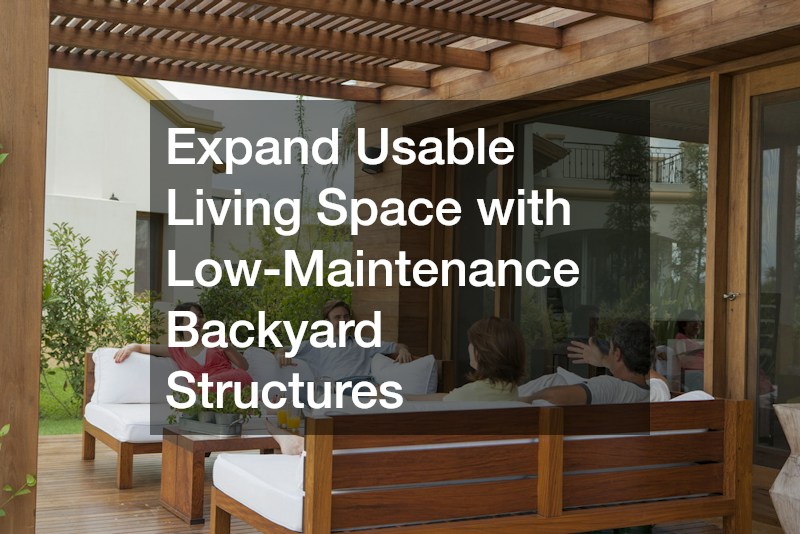
Homebuyers increasingly view backyards as functional extensions of the interior floor plan rather than passive lawn. Well-designed outdoor zones for family dinners and weekend gatherings create emotional appeal and support stronger comparable sales adjustments. Transforming an underused rear yard into a purposeful outdoor room delivers substantial lifestyle value, provided the materials minimize future upkeep rather than adding weekend chores to the next owner’s calendar.
- Replace high-upkeep wood platforms with capped synthetic boards: Traditional pressure-treated lumber decks require recurring sanding, staining, sealing, and board replacement to combat splintering, warping, and rot. Savvy buyers recognize that aging wood platforms represent ongoing maintenance costs, whereas modern capped polymer and composite boards resist fading, staining, and insect damage with simple seasonal cleaning.
- Elevate layout flow and built-in functionality: Collaborating with an experienced composite deck builder allows you to incorporate high-value details such as hidden fasteners for a screw-free walking surface, multi-level transitions separating dining from lounging zones, and integrated low-voltage riser lighting that enhances evening ambiance and stair safety.
- Introduce overhead architectural shade to extend seasonal comfort: Even the most spacious backyard platform sits empty during peak afternoon heat if it lacks shelter from direct sunlight. Adding structured overhead coverage cools adjacent interior windows, shields outdoor furnishings from UV wear, and gives the yard vertical proportion.
- Anchor dining and seating zones with tailored shade structures: Rather than relying on temporary fabric umbrellas that fade or topple in gusty winds, partnering with a custom pergola fabricator lets you design an architectural focal point proportioned to your roofline. Crafted from powder-coated aluminum, cedar, or adjustable louvered slats, a tailored pergola defines the outdoor room and boosts perceived luxury.
Combining synthetic decking with scaled overhead shade creates a multi-season backyard destination cohesive with the main residence.
Anchor Your Yard with Durable and Drainage-Smart Ground Hardscaping
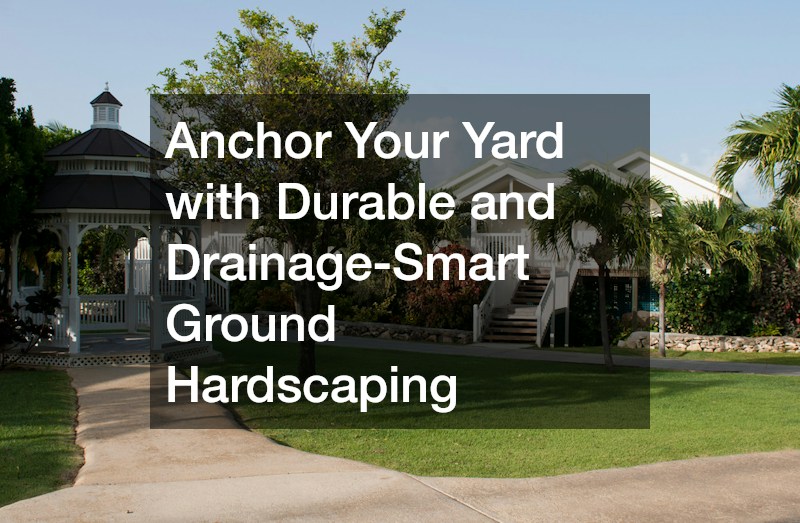
Ground-level hardscaping brings permanence, geometric clarity, and stability to your yard. Beyond creating level seating zones and clean walkways, well-engineered hardscapes solve practical challenges like sloped terrain, muddy paths, and stormwater runoff. When ground surfaces are built over properly compacted bases with deliberate drainage planning, they protect the home’s foundation while elevating the property’s architectural presence.
- Choose modular interlocking units for superior climate resilience: In regions with seasonal temperature swings and frost heave, rigid poured slabs can crack unpredictably as underlying soils expand and contract. Interlocking patio pavers distribute loads across flexible polymeric sand joints, absorbing minor ground movement without fracturing and allowing individual stones to be lifted and reset if spot leveling is required.
- Incorporate permeable systems and multi-textured borders: Permeable interlocking surfaces allow rainwater to filter through widened aggregate joints into an open-graded stone reservoir below, reducing puddling and easing stormwater runoff. Pairing contrasting border courses, seat walls, or a built-in fire pit adds visual depth and natural gathering structure.
- Connect front and rear zones with cohesive walkways: Deliberate pathways guide guests effortlessly from the street to the front porch and around the side yard to backyard entertaining areas, eliminating worn grass paths and muddy shoe tracks. Smooth transitions between walkways and planting beds make the lot feel larger and better organized.
- Ensure proper base preparation and positive foundation drainage: For broad utility aprons, pool surrounds, and structural walkways, experienced concrete contractors deliver durable results when they excavate to frost depth, compact aggregate sub-bases thoroughly, space control joints accurately, and apply slip-resistant finishes. Horizontal surfaces adjacent to the residence must slope away from foundation walls to prevent basement moisture intrusion.
Drainage-conscious hardscaping ties the house to the land, giving the exterior an estate-like sense of permanence.
Frame Your Home’s Architecture with Healthy Canopy Care and Layered Plantings

While hardscapes provide structural order, healthy trees and composed planting beds soften architectural lines and add warmth, privacy, and seasonal color. Strategic greenery also lowers summer cooling costs by shading west- and south-facing walls. However, neglected trees and overgrown foundation shrubs quickly obscure attractive brickwork, darken interior rooms, and introduce moisture and pest risks against the exterior envelope.
- Prune overgrown limbs to protect roofing and restore natural light: Mature shade trees are valuable assets, yet low-hanging branches rubbing against siding and shingles trap dampness, accelerate roof wear, and provide pathways for squirrels and carpenter ants. Dense, unpruned canopies also starve underlying turfgrass of sunlight, leaving bare soil and patchy weeds across the lawn.
- Maintain canopy structure and clear sightlines with arborists: Engaging certified tree services for selective crown thinning, deadwood removal, and canopy elevation opens clear sightlines to your front facade, improves airflow through foliage, and eliminates hazardous limbs before storms strike. Grinding out old stumps and surface roots further cleans up the lawn.
- Clear away dated, oversized foundation hedges: Boxy, overgrown evergreen shrubs planted too close to the house block first-floor windows, trap humidity against siding, and make a property look dated. Removing leggy, overcrowded plantings brightens interior rooms and reveals clean architectural proportions.
- Design multi-tiered borders with year-round texture and color: High-impact flower bed redesigns replace monotonous rows of clipped bushes with sweeping, curved bed lines that complement the home’s geometry. Layering compact evergreen anchors in back, colorful mid-height native perennials in the center, and low groundcovers along crisp steel or stone edging creates four-season interest, while shredded hardwood mulch locks in moisture and suppresses weeds.
Balanced canopy care and layered garden beds frame your home naturally, drawing the eye toward the front entrance.
Sequence Your Exterior Renovations to Maximize Appraisal Return
Even quality materials underperform financially if installed out of order or scaled beyond neighborhood expectations. Before signing contracts, review comparable local sales so your exterior budget aligns with neighborhood price ceilings rather than overbuilding. Once your budget is set, following a disciplined construction sequence prevents rework and ensures every finished surface looks pristine on appraisal day.
- Resolve grading, drainage, and structural repairs first: Begin below grade and at the building envelope before investing in visible finishes. Correcting negative soil slopes, extending buried downspouts, repairing damaged fascia or siding, and stabilizing structural surfaces ensures heavy equipment and trenching happen before new hardscapes or plantings go in.
- Complete heavy hardscaping and outdoor structures second: With drainage and foundational repairs complete, move on to major construction tasks such as pouring walkways, laying patio surfaces, building decks, and installing shade structures. Scheduling heavy machinery, excavation, and material deliveries during this middle phase protects delicate lawn areas and new beds from compaction.
- Save surface cleaning, planting, lighting, and mulch for last: Conduct final exterior washing, trim painting, sod installation, perennial planting, and low-voltage lighting adjustments only after construction crews clear the site. Completing cosmetic finishes last preserves crisp edges and vibrant foliage for listing photos and buyer tours.
- Streamline multi-trade scheduling with unified oversight: Coordinating excavation, irrigation adjustments, hardscape installation, turf restoration, and seasonal upkeep across separate vendors often causes delays and mismatched transitions. Working with a full-service landscaping service helps unify grading, planting, irrigation zoning, and ongoing care under one coordinated schedule so the exterior matures seamlessly together.
Thoughtful sequencing protects your budget from redo costs and ensures every upgrade works together visually and functionally.
Increasing your home’s market value from the outside in does not require an overnight overhaul or an unlimited budget. The strongest returns come from pairing clean, well-maintained exterior surfaces with durable, low-maintenance materials and intentional outdoor living zones that solve real lifestyle and drainage needs. When buyers and appraisers see clean drainage away from the foundation, safe walkways, inviting outdoor structures, and fresh plantings framing the architecture, they recognize a property maintained with pride. That confidence translates directly into stronger offers, smoother inspections, and lasting equity. To begin, walk to the street with a notepad, view your home like a first-time buyer, and list the top three visual or structural weak points holding your exterior back. Tackling those priorities in a logical, phased order elevates both your daily enjoyment today and your resale return tomorrow.