Water Filtration Systems play a crucial role in ensuring the accessibility of clean and safe drinking water. These systems function by removing undesired chemical compounds, organic and inorganic materials, and biological contaminants from water. The significance of understanding how these systems work extends beyond personal health, impacting community well-being and overall environmental conservation efforts.
The journey towards clean water starts with identifying the specific impurities present in a water source. Different environments, such as urban vs. rural or industrial vs. residential, have varying water contaminants that necessitate tailored filtration solutions. From simple filtration pitchers to complex whole-house setups, Water Filtration Systems come in various forms to address diverse purification needs effectively.
Apart from providing health benefits, water filtration is critical in safeguarding household plumbing and appliances. By eliminating mineral deposits and preventing scaling, these systems extend the life of pipes and devices, reducing maintenance costs over time. In essence, effective water filtration contributes to both improved water quality and the longevity of home infrastructure.
Types of Water Filtration Systems
Several types of Water Filtration Systems are available, each employing unique technologies to purify water. Activated carbon filters are commonly used due to their ability to absorb impurities and enhance the taste and odor. These filters excel at removing chlorine, sediments, and volatile organic compounds, making water safer and more pleasant to consume.
Reverse osmosis systems offer a more thorough purification process, utilizing multiple filtration stages to remove a wide array of contaminants like heavy metals, nitrates, and bacteria. The technology hinges on pushing water through a semi-permeable membrane, ensuring that up to 99% of impurities are left behind. This comprehensive purification makes reverse osmosis a preferred choice for securing highly purified water for health-sensitive applications.
Ultraviolet (UV) light systems specifically target biological contaminants by utilizing UV rays to inactivate bacteria, viruses, and other pathogens. When used in conjunction with other filtration methods, UV systems provide a robust solution for ensuring pathogen-free water without the use of chemicals. Their advantage lies in maintaining the natural mineral content of water while offering high disinfection efficacy.
The Mechanism of Action
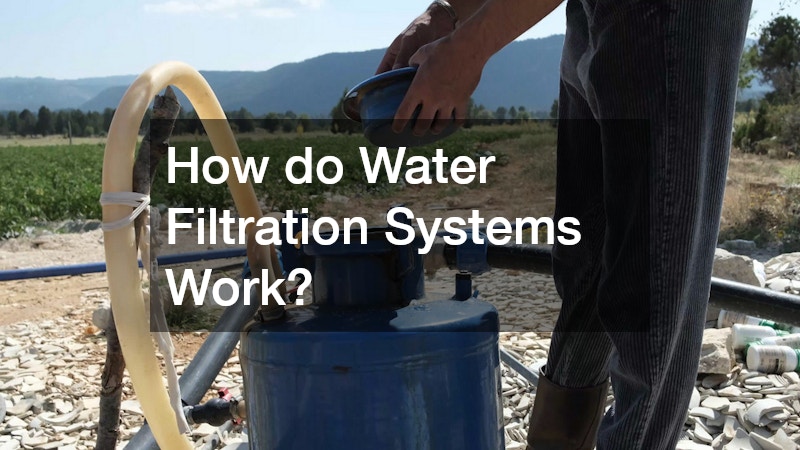
The operation of Water Filtration Systems depends on the type and technology of the system in use. For instance, activated carbon filters work through adsorption, a process where contaminants adhere to the surface of the carbon particles. This method is particularly effective for treating water with high levels of organic impurities, provided the filters are replaced regularly to maintain effectiveness.
In contrast, reverse osmosis systems implement pressure to compel water molecules through a fine, semi-permeable membrane that blocks contaminants. Though highly effective, this process requires a significant volume of water, which can lead to increased wastewater output. This downside is mitigated by the system’s capability to deliver water that is virtually free of dissolved salts and other impurities.
UV light systems operate by emitting ultraviolet rays that disrupt the DNA of microorganisms, rendering them harmless and incapable of reproduction. While UV effectively manages biological threats, it does not address chemical pollutants or solids, necessitating the use of complementary filtration. The synergy of UV with other systems yields a comprehensive purification regime, ensuring chemical and microbial safety.
Benefits of Water Filtration Systems
Water Filtration Systems most prominently serve to deliver safe drinking water, which is free from harmful substances like lead, chlorine, and microbes. This reduction in contaminants lowers the risk of waterborne illnesses and supports better overall health outcomes. Additionally, filtration can markedly improve the aesthetic quality of water, making it more appealing through enhanced taste and clarity.
Economically, water filtration reduces the need for bottled water purchases, presenting long-term savings and decreasing environmental waste. The longevity of household appliances is also extended as filtered water diminishes the chances of mineral buildup and corrosion, thus lowering maintenance expenses. Given these advantages, investing in an effective filtration system can offer substantial returns over time.
On an environmental level, Water Filtration Systems contribute to sustainable living practices by lowering reliance on single-use plastic bottles. By reducing plastic waste and conserving natural water sources through efficient filtration, these systems support broader ecological conservation goals. As awareness grows, water filtration technologies continue to evolve, aligning with the increasing demand for sustainable and eco-friendly solutions.
Choosing the Right Water Filtration System
Selecting an appropriate Water Filtration System involves evaluating several factors, including water quality, budget, and specific household needs. Testing the incoming water for contaminants guides the choice of the best-suited filtration technology. Different systems may address various issues, from reducing specific chemicals to eliminating pathogens—a comprehensive analysis is key.
Multi-stage systems, which integrate multiple filtrations in sequence, often provide the most inclusive coverage for diverse water conditions. Combining technologies like activated carbon, reverse osmosis, and UV light can result in highly efficacious purification. As such, understanding the distinct advantages of each system component is vital to achieving optimal water quality.
Ultimately, the ideal filtration system offers a balance between installation and maintenance cost-efficiency, user-friendliness, and purification performance. By aligning these factors with individual circumstances, users can ensure the selection of the most appropriate Water Filtration System to meet their daily needs. In this way, such systems not only protect health but also enhance living standards through cleaner, safer water.